Classical music in Cambridge - venues, choirs and what to look out for
Where Cambridge actually sounds best: the halls, chapels and ensembles worth planning around.
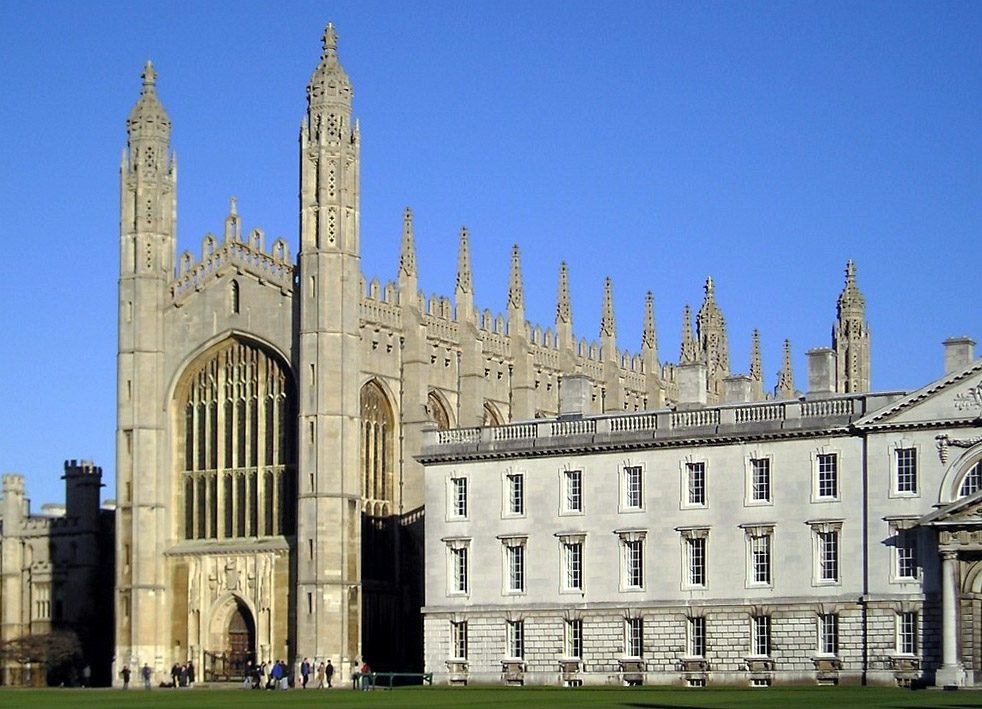
Cambridge offers a dense, layered classical music scene anchored by its college chapels and a handful of civic venues. The King's College Choir sets the global benchmark for Anglican liturgical music, while St John's College Choir matches that standard with a slightly different acoustic and choral timbre. West Road Concert Hall serves the university's professional and student chamber recitals, the Cambridge Corn Exchange hosts the city's full-scale symphonic concerts, and the Cambridge Summer Music Festival ties the academic and civic threads together each July. Here is how to navigate these rooms and what to expect from their programmes.
King's College Chapel and the King's College Choir
King's College Chapel functions as the spiritual and acoustic centre of Cambridge music. The building is a feat of perpendicular Gothic architecture, completed across the 15th and 16th centuries, and its stone interior creates a reverberation tail that demands specific repertoire. Sound lingers for roughly five seconds, meaning fast, articulated passages blur into a wash of overtones. This acoustic favours sustained polyphony and chordal music over contrapuntal density.
The King's College Choir remains one of the most recorded choral ensembles in the world. Under the direction of Daniel Hyde, the choir maintains its traditional structure of men and boys. The singers perform evensong most afternoons during term, which is the primary way locals experience the ensemble. The Choir of King's College, Cambridge also tours internationally and releases recordings on its own label, focusing on canonical Renaissance masters, Victorian Anglican anthems, and contemporary British composers. The Festival of Nine Lessons and Carols on Christmas Eve broadcasts globally, but securing a seat requires joining the queue outside the chapel hours in advance. For regular attendance, the termly evensong schedule offers the same acoustic and vocal standard without the crowds.
The Choir of St John's College
A short walk across the river brings you to St John's College. The St John's College Choir operates under a similar choral foundation to King's but has cultivated a distinct identity, particularly through its advocacy of contemporary liturgical music and its recent transition to a mixed-voice lineup. Christopher Gray directs the choir, which sings evensong throughout the university terms.
The St John's College Chapel dates from the 16th century and features a spectacular wooden screen and a later organ loft. Its acoustic is marginally drier than the vast interior of King's. This allows the choir to tackle rhythmically taut and harmonically complex modern scores with greater clarity. The choir has a strong recording legacy on the Signum Classics label, frequently pairing Tudor music by composers like Thomas Tomkins with newly commissioned works. For a listener, attending a service at St John's offers a more intimate choral experience than the cavernous space at King's, making it easier to hear the inner voices of the ensemble.
West Road Concert Hall
West Road Concert Hall is the university's primary recital space. Built in 1977, the architecture is utilitarian brick, but the acoustic inside is highly engineered for live unamplified music. The hall seats around 500 people in a raked auditorium facing a deep stage. The acoustic is reverberant but controlled, making it ideal for chamber ensembles, solo piano recitals, and string quartets. It lacks the sheer volume needed to comfortably house a full symphony orchestra without overwhelming the strings, but it excels with smaller configurations.
The venue hosts the Cambridge University Musical Society (CUMS) and the Cambridge University Chamber Orchestra for their mid-scale concerts. It also welcomes visiting professionals from the international concert circuit. Pianists, string quartets, and early music consorts frequently appear here. The programming leans heavily toward core Germanic and Central European repertoire, from Bach cantatas and Haydn string quartets to Brahms chamber music. The hall also stages contemporary music concerts organised by the university's faculty, featuring student performers and visiting specialists in modern repertoire.
Cambridge Corn Exchange
The Cambridge Corn Exchange is a civic hall dating from the 19th century, later converted into a multi-purpose entertainment venue. With a capacity of over 1,000, it is the largest space for classical music in the city centre. The acoustic is noticeably drier and more opaque than West Road, which can blunt the upper partials of a string section but provides a solid, immediate punch for brass and percussion. The Corn Exchange hosts the Cambridge Philharmonic Society and the Cambridge Symphony Orchestra for their large-scale symphonic concerts. Here you will hear the big Romantic and 20th-century symphonies that cannot fit comfortably into college halls. The repertoire centres on Mahler, Shostakovich, Brahms, and Beethoven, often featuring professional soloists. The venue also serves as a stop for touring national orchestras and high-profile solo recitalists who require a larger audience capacity than the university halls can provide.
Cambridge Summer Music Festival
The Cambridge Summer Music Festival consolidates the city's classical offerings into an annual July event. The festival utilises various spaces across the city, primarily the college chapels and West Road Concert Hall, to present a series of concerts that bridge the gap between the university's academic terms. The festival director curates a programme that mixes established international chamber ensembles with local choral groups. Because the festival moves between venues, it exploits the specific acoustic strengths of each room. Early music consorts and vocal recitals often take place in the chapels, utilising the long reverberation for Renaissance and Baroque repertoire. Larger chamber orchestras and piano recitals head to West Road. The festival is a focal point for Cambridge residents who want continuous, concentrated concert-going during the summer weeks without leaving the city.
Selecting the Right Venue for the Repertoire
Matching the music to the room is essential in Cambridge. The architecture dictates the sound as much as the performers do. For Anglican choral music and Renaissance polyphony, King's College Chapel and St John's College Chapel are the definitive choices. The stone interiors sustain the long phrases of composers like William Byrd and Thomas Tallis, turning the buildings themselves into resonating instruments. For solo piano, string quartets, and Baroque chamber ensembles, West Road Concert Hall provides the necessary clarity and controlled reverberation. The dry acoustic allows the distinct voices of a fugue or a complex piano sonata to register distinctly. For large-scale symphonic works and choral symphonies, the Cambridge Corn Exchange offers the physical volume required to house an 80-piece orchestra and a 100-voice chorus without compromising the power of the brass and timpani. For a cross-section of the city's best performers in July, the Cambridge Summer Music Festival provides curated access to visiting professionals and local ensembles across multiple venues.
Frequently asked questions
What is the difference between hearing the choir at King's and the choir at St John's?
The difference lies partly in the acoustic and partly in the choral tradition. King's College Chapel has a longer reverberation tail, creating a more blended, ethereal sound that favours sustained, slower-moving harmonic progressions. St John's College Chapel has a slightly drier acoustic, which allows for greater clarity in complex, contrapuntal music. Both choirs sing to a world-class standard, but St John's has recently emphasised contemporary commissions and a mixed-voice choral sound, while King's maintains its traditional all-male lineup of men and boys alongside its historic recording legacy.
Can you attend Cambridge University Musical Society concerts if you are not a student or university member?
Yes, CUMS concerts are open to the general public. While the societies are run by students, they perform to a professional standard and frequently engage professional conductors and soloists. Their concerts at West Road Concert Hall and the Cambridge Corn Exchange are ticketed events available to anyone. Tickets can be purchased through the respective venue box offices or the CUMS website. The audience is typically a mix of students, university staff, and local residents of the city.
What type of classical music is best suited to the Cambridge Corn Exchange?
The Cambridge Corn Exchange is best suited for large-scale Romantic and 20th-century symphonic repertoire. The venue's larger capacity and drier acoustic accommodate full symphony orchestras, heavy brass sections, and large choruses better than the reverberant college chapels or the smaller West Road Concert Hall. Audiences attending concerts here will hear Mahler symphonies, Beethoven choral works, and major 20th-century scores by composers like Shostakovich and Stravinsky. The room prioritises sheer orchestral power and volume over the delicate acoustic balance required for chamber music.
This is an independent member's guide compiled by Cambridge BGTC Society. We are not affiliated with the venues and institutions mentioned; opening arrangements and programmes change - always confirm details on the official websites before making plans.
← Back to Events