Literary Cambridge - bookshops, libraries and reading rooms worth your time
Independent bookshops, historic libraries and reading spots of Cambridge: a literary walking companion for members.
Cambridge is a city shaped by its literary legacy and academic brilliance. Bookshops line its ancient streets, libraries house treasures from centuries past, and landmarks echo with the footsteps of poets, scientists and novelists. From the Fitzwilliam Museum's manuscript collection to the tranquil paths along The Backs, Cambridge offers readers and history lovers a living map of British literary culture.
Heffers Bookshop
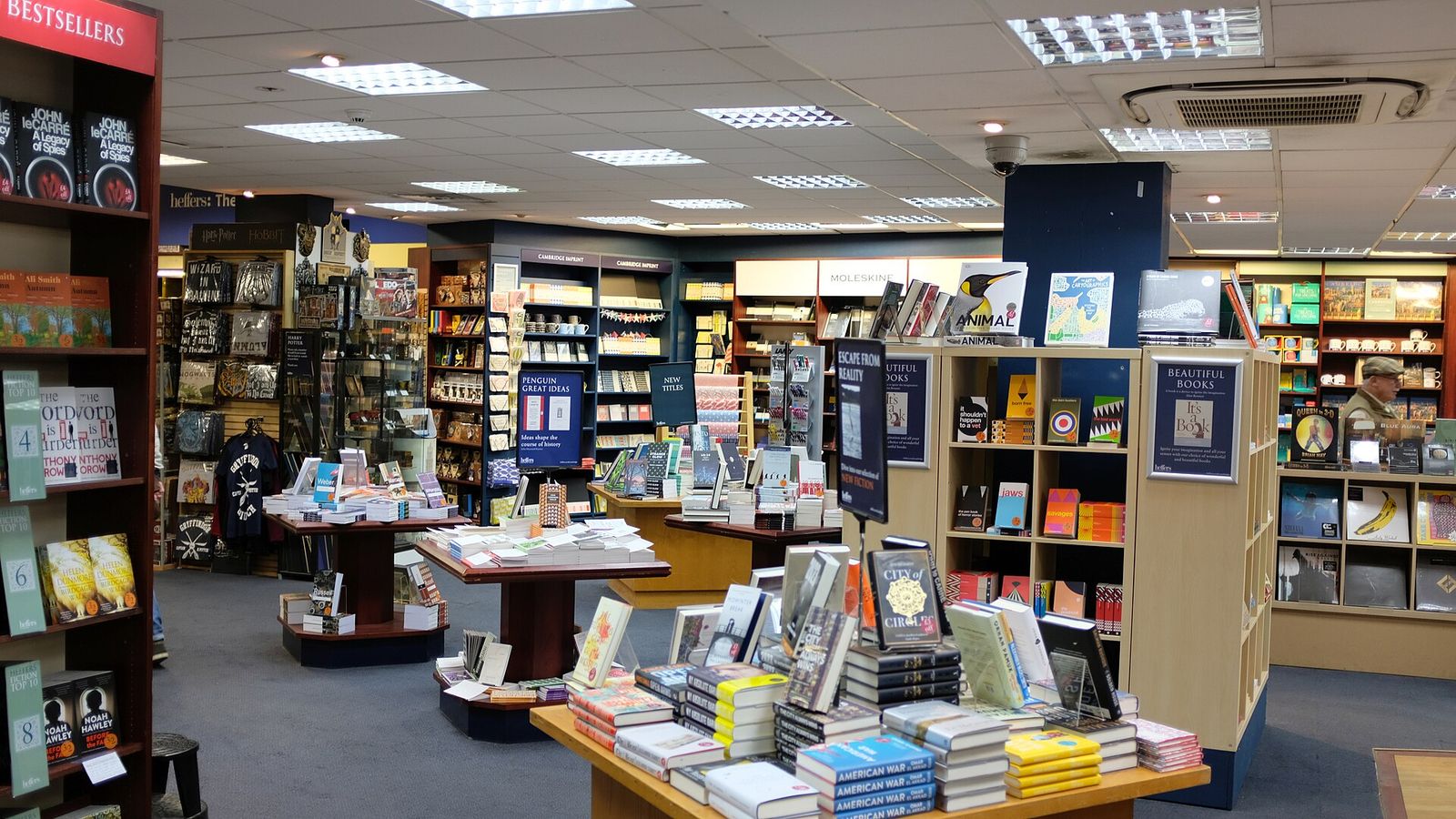
Heffers, established in 1876, is Cambridge's most storied independent bookshop. Located on Trinity Street, it has been the intellectual heart of the city for generations. Heffers is famous for its wide-ranging selection and deep connection with the University. Stephen Hawking was a regular, often seen browsing the science shelves. The shop hosts author events and readings, welcoming figures like Margaret Atwood and Kazuo Ishiguro. Its academic section draws students and professors from across the world. Extensive range in fiction, science, humanities and children's books Frequent literary events and signings Specialist staff with subject expertise Connections with university presses
Heffers stands out not only for its history, but for its role as a meeting place for Cambridge's literary community. The shop's interior features comfortable reading spaces and displays rare signed editions.
The Fitzwilliam Museum
The Fitzwilliam Museum is more than an art gallery - it is a haven for manuscript lovers. Founded in 1816, its library holds illuminated medieval manuscripts, rare books, and original letters from authors like Charles Dickens and Virginia Woolf. Scholars visit to study the museum's collections of Renaissance poetry, Victorian novels and classical texts. The museum's permanent exhibitions showcase items such as the 14th-century Macclesfield Psalter and the Fitzwilliam Book of Hours. World-class manuscript collection Public exhibitions of rare books and literary artifacts Research facilities for visiting academics Links to the University's literary studies
The Fitzwilliam's literary holdings are complemented by its art collection, which includes portraits of Cambridge writers and historical figures. Its setting on Trumpington Street places it within walking distance of several colleges with literary connections.
King's College and the King's College Library
King's College is inseparable from Cambridge's literary history. The college was founded in 1441 and its library contains over 130,000 books, including first editions and manuscripts from alumni like Rupert Brooke and E.M. Forster. The library's medieval reading room is open to researchers, who can examine rare works in English poetry and theology. King's College Chapel, with its soaring Gothic architecture, inspired poets such as Sylvia Plath, who referenced it in her Cambridge poems. Rich archive of literary manuscripts and early printed books Alumni include poets, novelists, and essayists Chapel setting featured in British literature Annual events celebrating literary heritage
King's College is also famous for its May Week readings and concerts, where students and writers gather to share new work. Its riverside grounds make it a favorite spot for writers seeking inspiration.
The Backs
The Backs refers to the green spaces along the River Cam behind several Cambridge colleges, including King's, Trinity, and St John's. This landscape has inspired countless writers, from the Romantic poets to modern novelists. Virginia Woolf described rowing on the Cam in her diary; Sylvia Plath and Ted Hughes spent afternoons walking the Backs during their time at the university. The willow-lined paths and views of college gardens make this area a living literary landmark. Setting for poems, novels, and memoirs by Cambridge writers Place for quiet reading and reflection Scenes featured in works by Virginia Woolf, Sylvia Plath, and others Walking tours with literary guides available
The Backs also host open-air readings, especially in summer, connecting the physical landscape to its literary heritage.
University Library
The Cambridge University Library, founded in 1416, is one of the largest and oldest academic libraries in the UK. Its collection includes over eight million items, with highlights such as the papers of Isaac Newton, manuscripts of Samuel Taylor Coleridge, and the original drafts of A.A. Milne's "Winnie-the-Pooh." The tower, visible from across the city, houses legal deposit materials and rare books. Home to Newton's scientific papers and Coleridge's poetry drafts Exhibition galleries open to the public Archive of Cambridge alumni writers Research facilities for scholars worldwide
The library's imposing architecture is referenced in novels by Cambridge graduates, such as Zadie Smith and Nick Hornby. It remains a center for literary research and discovery.
Literary Landmarks and Walking Tours
Beyond libraries and bookshops, Cambridge's streets and squares are dotted with plaques and statues honoring writers. The Byron statue in Trinity College commemorates Lord Byron's time as a student. The Eagle pub, where Watson and Crick announced the discovery of DNA, is also a literary haunt - Sylvia Plath wrote about it in her journals. Guided walking tours take visitors to these spots, explaining their significance and sharing anecdotes from Cambridge's literary past. Byron statue at Trinity College The Eagle pub, site of scientific and literary history Plaques marking homes and colleges of famous writers Guided tours with local literary historians
These landmarks provide context for Cambridge's role in shaping British literature.
Frequently asked questions
How can I access rare books or manuscripts in Cambridge?
Access is usually granted to researchers and students, but public exhibitions at the Fitzwilliam Museum and University Library allow visitors to view highlights. Advance booking may be required for viewing specific materials.
Are there literary events open to the public?
Yes, Heffers Bookshop and the colleges frequently host readings, signings, and talks. Many events, like May Week poetry readings at King's College, welcome visitors. Details are available on their official websites.
Can I take a guided literary tour of Cambridge?
Absolutely. Several companies and university groups offer walking tours focused on Cambridge's literary history, covering landmarks, colleges, and bookshops. Tours often include stories about famous writers and their time in the city. Cambridge's literary landscape is shaped by its historic libraries, bookshops, and the inspiration found along The Backs. Visitors can trace the footsteps of poets and novelists, discover rare manuscripts, and immerse themselves in a city where literature and history meet.
This is an independent member's guide compiled by Cambridge BGTC Society. We are not affiliated with the venues and institutions mentioned; opening arrangements and programmes change - always confirm details on the official websites before making plans.
← Back to Events