Silicon Fen: Inside Cambridge's World-Class Technology Cluster
'Silicon Fen' is one of the most successful technology clusters in Europe. We look at how Cambridge turns deep science into global companies.
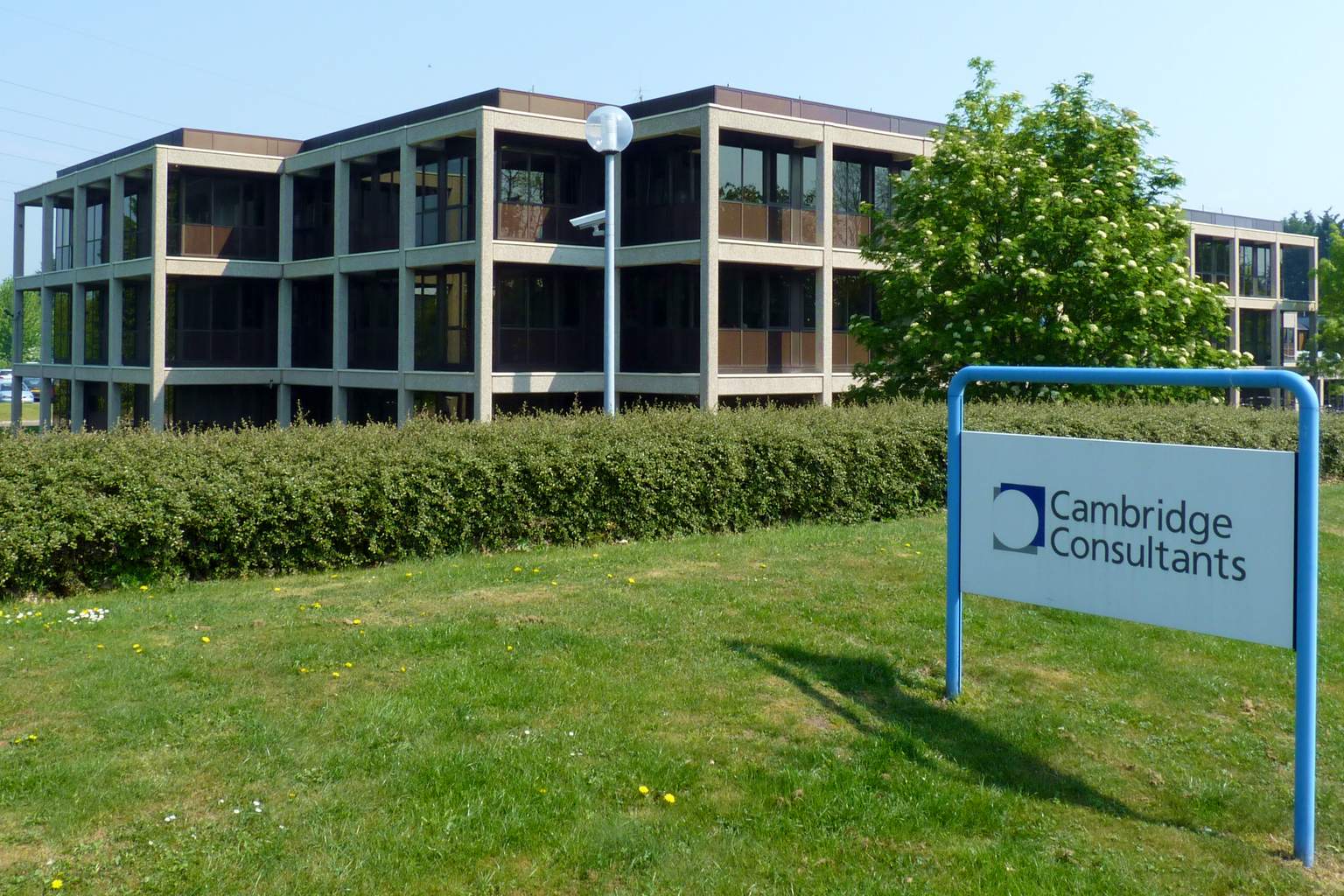
Image: Cambridge Science Park — Cmglee / Wikimedia Commons, CC BY-SA 3.0
What ‘Silicon Fen’ Means
Silicon Fen is shorthand for the Cambridge technology cluster, a concentration of science and tech companies in and around Cambridge, England. The name borrows from Silicon Valley and the local fenlands, but Silicon Fen has its own distinct identity. Rooted in the academic gravitas of the University of Cambridge, the cluster has grown since the 1970s from a handful of computer firms to a dense ecosystem spanning semiconductors, software, life sciences, and artificial intelligence.
Unlike London’s fintech scene or Manchester’s media focus, Silicon Fen is about deep tech - fundamental scientific advances with commercial impact. This is not only a UK phenomenon; it’s recognised as one of Europe’s most successful deep-tech clusters, regularly cited by investors and policymakers as a model for translating research into economic growth.
Deep Tech and Semiconductors Heritage
Cambridge’s reputation for technical innovation goes back decades. The city’s semiconductor tradition is especially notable. The cluster’s roots can be traced to pioneering work in microprocessors and hardware design, with early computing firms emerging from the university’s research labs. Cambridge was one of the first places in Britain where academic ideas directly seeded commercial ventures, and this set the tone for the region’s approach: collaboration between university and industry.
Today, the area is home to a concentration of semiconductor R&D, with companies tackling everything from chip design to quantum computing. The city’s science parks, such as Cambridge Science Park and St John’s Innovation Centre, host firms working on photonics, low-power computing, and new materials. This environment has nurtured a generation of engineers and scientists who move freely between academic research and commercial projects.
Cambridge’s software sector is equally robust. The city has produced enterprise software firms, cybersecurity innovators, and companies pushing the boundaries of data analytics. Many originated as university spin-outs, leveraging Cambridge’s strengths in mathematics and computer science. Unlike clusters built on consumer apps or social platforms, Silicon Fen’s software firms tend to focus on technical solutions and B2B markets.
Life Sciences and AI
Life sciences are another pillar of Silicon Fen. Cambridge has a long-standing tradition in molecular biology, genetics, and pharmaceutical research. The proximity of Addenbrooke’s Hospital and the university’s biomedical labs has facilitated collaborations between clinicians, biologists, and technology firms. The city’s science parks host everything from biotech start-ups to major pharmaceutical research units, making Cambridge a magnet for investment in healthtech and medical innovation.
Artificial Intelligence is the latest area of rapid growth. Cambridge’s expertise in machine learning and computational neuroscience has spawned start-ups working on everything from medical diagnostics to financial modelling. AI research is not siloed; academic groups and private firms routinely share insights, creating a cross-pollination of ideas that drives innovation. The city’s AI ecosystem is supported by a network of accelerators and incubators, which help new ventures access funding and technical support.
Spin-Outs and Investment Ecosystem
The defining feature of Silicon Fen is its density of spin-outs - companies created to commercialise university research. The University of Cambridge has formalised this process, with support structures like Cambridge Enterprise and an active technology transfer office. The result is a pipeline of start-ups ranging from advanced materials to bioinformatics.
Investment is a critical factor. Cambridge attracts venture capital from across Europe and the US, thanks to the perceived reliability of its science-based ventures. Seed funding is augmented by government grants and angel investors, many of whom are ex-academics or founders themselves. Local networks like the Cambridge Angels and syndicates of alumni provide mentoring and early-stage capital. The city’s science parks are more than just real estate; they serve as hubs for networking, deal-making, and talent recruitment.
The investment ecosystem is collaborative rather than cutthroat. Firms often share expertise and resources, and the university acts as a neutral convenor. This enables start-ups to scale quickly, moving from prototype to product with fewer barriers than in other regions. The cluster’s reputation draws global companies looking for R&D partnerships, further boosting the local economy.
Challenges and Outlook
Silicon Fen’s growth has not been without obstacles. Housing is a persistent issue. Cambridge’s popularity drives up property prices, making it difficult for young researchers and start-up employees to live near their workplaces. The cost of office space in the science parks is also high, sometimes forcing small companies to locate further afield. Transport infrastructure is under strain, especially as the city’s workforce expands.
Despite these challenges, the outlook is positive. Cambridge’s international profile continues to rise, with sustained interest from investors and policymakers. The UK government regularly references Silicon Fen in innovation strategies, and the university’s commitment to supporting commercialisation remains strong.
The real test will be maintaining the cluster’s collaborative ethos as it scales. Silicon Fen’s strength lies in its openness and cross-disciplinary partnerships. If the city can address housing and infrastructure bottlenecks, it will remain a leader in deep tech - not just in Britain, but in Europe.
This is an independent member's guide compiled by Cambridge BGTC Society. We are not affiliated with the venues and institutions mentioned; opening arrangements and programmes change - always confirm details on the official websites before making plans.
← Back to Events